
High-profile implant removals, growing patient interest in body autonomy and more natural facial aestheitc outcomes, and rapid advances in peptides and biologic technologies are converging to reshape how plastic surgeons and theirr patients think about face and body aesthetics. Rather than defaulting to replacement or purely volumetric solutions, many clinicians are increasingly focused on regenerative strategies designed to improve tissue quality, durability, and long-term outcomes.
When celebrities began publicly removing their breast implants in 2025, the conversation wasn’t just about aesthetics, it was about health, autonomy, and authenticity. That moment is now reshaping the aesthetics industry itself, pushing it away from artificial fillers and toward treatments rooted in the body’s natural biology.
We are in the middle of the breast renaissance; it goes beyond just removing implants. The concepts of breast preservation have resonated with patients more than anyone could have imagined. We will continue to see this changing paradigm of breast enhancement with less invasive techniques and more biologic options.
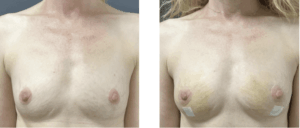
With some of the new biologic options, such as alloClae (Tiger Aesthetics), we will continue to see this movement to an injectable breast augmentation–an office procedure done through a 1mm incision done under local anesthesia in under an hour with no downtime.
Regenerative restoration is going to be one of the hottest topics of 2026. Truly regenerative treatments restore and improve the body, whereas cosmetic treatments improve the appearance of the current skin and tissue a person has. With the range of regenerative options, we will be able to create an entirely new opportunity for patients and providers to improve outcomes. With cosmetic procedures we have been limited by the skin and body that we currently have while with regenerative options we will truly be able to change the skin and underlying tissues in a way we have never been able to previously.
It has opened options for patients that they have never had before. It has increased the possible treatments for patients. We also can have conversations about not only looking better but also living better from a health standpoint.
The wellness wave with GLP medication has opened the eyes of patients and providers about true total body transformations in a way that has never been so accessible to this number of patients. It has created huge opportunities but also challenges, as we are no longer looking at short-term fixes but are now creating treatment plans for patients that will span decades.
GLP medications are no longer a fad. At this point, most people are believers. They have really reinvigorated the regenerative revolution. The evidence is in how they work; the benefits only continue to grow beyond weight loss. The results from clinical trials have been astonishing
From a product standpoint, alloClae’s longevity/retention study that will be released this year will stand out showing retention in these patients. It will answer some of the biggest questions we have about these products, which are longevity and retention.
There are several other studies that Tiger Aesthetics are launching around alloClae treatments that I think will be extremely impactful in 2026.
Patient education is key as we are at the tipping point of this paradigm shift from traditional implants and filler. It is important to manage expectations and guide patients on the best option for their aesthetic goals. Patients, like physicians, are extremely excited about the possibilities and all of the new products coming in 2026 and the use of other peptides for skin regeneration such as GHK-CU a copper peptide.
 National Institutes of Health (.gov) +3
-
- Natural Decline: Levels are high in youth but drop by over 50% by age 60, which is believed to contribute to a reduced capacity for tissue repair.
- Skin and Anti-Aging: Frequently used in skincare to improve skin elasticity, increase density and firmness, reduce wrinkles, and protect against UV damage
.
- Tissue Regeneration: It stimulates blood vessel formation (angiogenesis), nerve regeneration, and collagen/elastin synthesis, supporting repair in skin, lung, and liver tissues.
- Anti-Inflammatory & Protective: GHK-Cu suppresses inflammatory molecules, possesses anti-cancer activities, and helps with DNA repair.
- Forms: It is used topically (creams, serums) for skin and hair, and is being studied for systemic use to potentially reverse aging-related damage.
National Institutes of Health (.gov) +7
- Skincare: Serum and creams for anti-aging, firming, and repairing damaged skin.
- Hair Growth: Sprays to increase follicle size and promote hair growth.
- Wound Healing: Used in studies to improve healing in diabetic, ischemic, and chronic wound
- caution: there are tons of wanna be companies selling these-avoid as they are unregulated and not tester for quality and safety. Only purchase through a doctor like myself educated in the field with reliable quality pharmacies distributing. as patients have ended up in the hospital sevelely ill from these cheap companies online!
- also used in Combination with other peptides to create a Glow stack of peptides
- BPC-157: Supports wound healing, improves blood flow to injuries, and aids in muscle building.
- TB500: Increases blood vessel formation, promotes hair growth, and balances immune responses.
- GHK-Cu: Enhances collagen synthesis for skin/hair/nails and activates anti-aging and skin regeneration genes.
Some of the new biologic options and peptides are changing the world of aesthetics; in the next five years the face of aesthetics will be completely different. I think we are much closer than most people realize to seeing this massive paradigm shift. Other products also helping with skin are PDRN-salmon DNA, PRP(polydeoxyribonucleotide)-platelet Rich Plasma which lead to now the products PDGF-Platelet derived Growth Factors-signaling proteins involved in cell communication and tissue processes, and PRF:Platelet Rich Plasma derived from your own blood like prp is, but processed differently to create a fibrin matrix that allows for slower release of the growth factors for a longer effect. And facial biostimulators that have been established for over 40 years such as Sculptra to restore volume by stimulation your own collagen production.
As plastic and cosmetic aesthetic surgeons, we want to stand behind treatments that we know will make a meaningful, measurable difference for our patients—not just something that sounds exciting on social media. Our patients are going through major life transitions—especially those on GLP-1s and weight loss journeys—moving toward this “fit and fabulous” lifestyle where they not only want to live longer, but live better. That means we have a responsibility to make sure that the peptides, hormones, GLP medications, hyperbaric treatments, and regenerative therapies we offer truly deliver lasting benefits.
We’re now treating patients at a much younger age, and their expectations are very different. If someone starts their aesthetic and wellness journey in their 20s or 30s with issues we used to see in patients in their 40s to 60s, we’ve essentially doubled the treatment lifespan we’re guiding them through. We have to think about all the life changes they’ll experience over the next several decades—possibly 80+ years if longevity treatments perform the way we hope they will. That’s why this moment in plastic surgery is both incredibly exciting and challenging. We’re helping shape long-term aesthetic and wellness roadmaps, not just quick fixes. New treatments like alloClae, DermaClae, advanced biostimulants, and the regenerative products coming to market in 2026 will be a big part of this evolution. They offer the potential for long-lasting results, minimal complications, fewer side effects, and treatments that can be built upon over time as we age gracefully alongside our patients.
In 2025, we really started to see the tip of the iceberg with some of the new fat-derived products. alloClae came storming onto the market and is probably one of the hottest new injectable products out there. In 2026, you’ll see DermaClae launch, another fat-based product designed specifically for the face. We’ve also seen Lipoderma, another fat product, start to enter the market, and that’s going to continue to grow along with real clinical studies, especially as more of these products are backed and funded by larger companies such as Tiger Aesthetics.
You’re also seeing this wellness wave from patients—people are actively looking for more regenerative, more natural options. Now that we’re pairing that demand with real science and longitudinal studies to back these products, I think this space is going to absolutely explode. I truly believe 2026 will be the year of the regenerative revolution