Upcoming trends in plastic surgery are expected to shift toward more integrated, full-face rejuvenation and an increase in preventative surgical procedures among younger patients,Karen Soika MD.

Here are the top five projections for 2026 indicate a move away from isolated corrections and toward procedures that provide natural-looking results while incorporating wellness and advanced non-surgical technologies.
1. A Move Toward Full-Face Rejuvenation
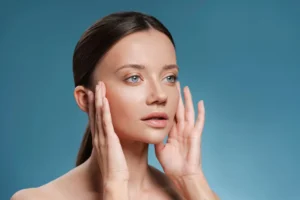
According to the Shah, patients are increasingly seeking to address the entire face—including the eyes, brows, cheeks, jawline, and neck—rather than focusing on single problem areas. This approach aims to create harmonious and subtle outcomes.
“The goal is to look like yourself—but 15 to 20 years younger,” says Shah, in a release. “Patients want subtle, natural improvements, not drastic changes.” He notes that celebrity influence has shifted patient expectations toward enhancing natural beauty and respecting the aging process. “Today’s aesthetics help patients look great at any age without looking artificial,”.
2. The Rise of the Pre-Emptive Facelift
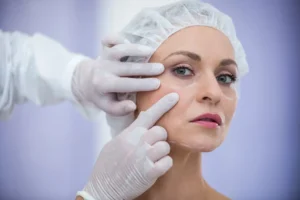
A significant trend is the growing number of patients under 50 opting for deep plane facelifts. This demographic is choosing to undergo surgical procedures earlier as a preventative measure rather than waiting to correct more advanced signs of aging. Factors driving this shift include social media influence, a preventative beauty culture, and the aesthetic effects of new GLP-1 medications.
“While non-surgical treatments have their place, nothing lifts and tightens skin quite like surgery,” .
3. Pairing Procedures with Non-Surgical Options
The forecast also points to the increased layering of non-surgical and surgical treatments. Lasers, fillers, and skin-tightening technologies are being used to complement and enhance surgical results. “Layering treatments intelligently creates a refreshed, youthful look,” Karen Soika MD “Though these don’t replace surgery, they can enhance overall results.”
4. A Move to Inside-Out Aesthetics

Alongside procedural pairings, an “inside-out” approach is gaining traction, he says. This involves incorporating supplements, peptides such as Ghk/cu and the Gkow stack as Dr Soika has patients reporting Decreased need for botox and skin overall improves via regenerative processes!
As well optimization to support internal health, and technologies such as red light which can boost collagen production by 25 percent and hyperbaric oxygen which can improve healing and final outcomes.
- Accelerated Wound Healing: HBOT significantly improves healing for diabetic foot ulcers, chronic, non-healing wounds, and compromised skin grafts by delivering oxygen-rich plasma to oxygen-starved tissue.
- Stimulation of New Blood Vessels (Angiogenesis): It helps the body grow new skin and blood vessels, promoting tissue repair in areas with reduced circulation.
- Infection Control: HBOT strengthens the immune system by enhancing the ability of white blood cells to destroy bacteria and by disabling toxins.
- Treatment of Radiation Damage: It helps repair tissue damaged by previous radiation treatments, such as in cases of radiation cystitis or osteoradionecrosis.
- Emergency Care: It is the primary treatment for carbon monoxide poisoning, severe anemia, and decompression sickness (the “bends”).
- Reduction of Edema (Swelling): By decreasing swelling while increasing oxygen delivery, it helps reduce tissue damage.
- Potential Anti-Aging and Regenerative Effects: Studies suggest it can increase telomere length, boost stem cell mobilization, and induce neurogenesis.

“Patients have realized that true beauty starts from within,” A healthier body means faster healing and better results.”
Sincerely,
Karen Soika, MS, MD

 203 954 9293 call:text anytime!